HANSARD DEBATES
House of Commons
March 23, 2010
Motion on Maternal and Child Health
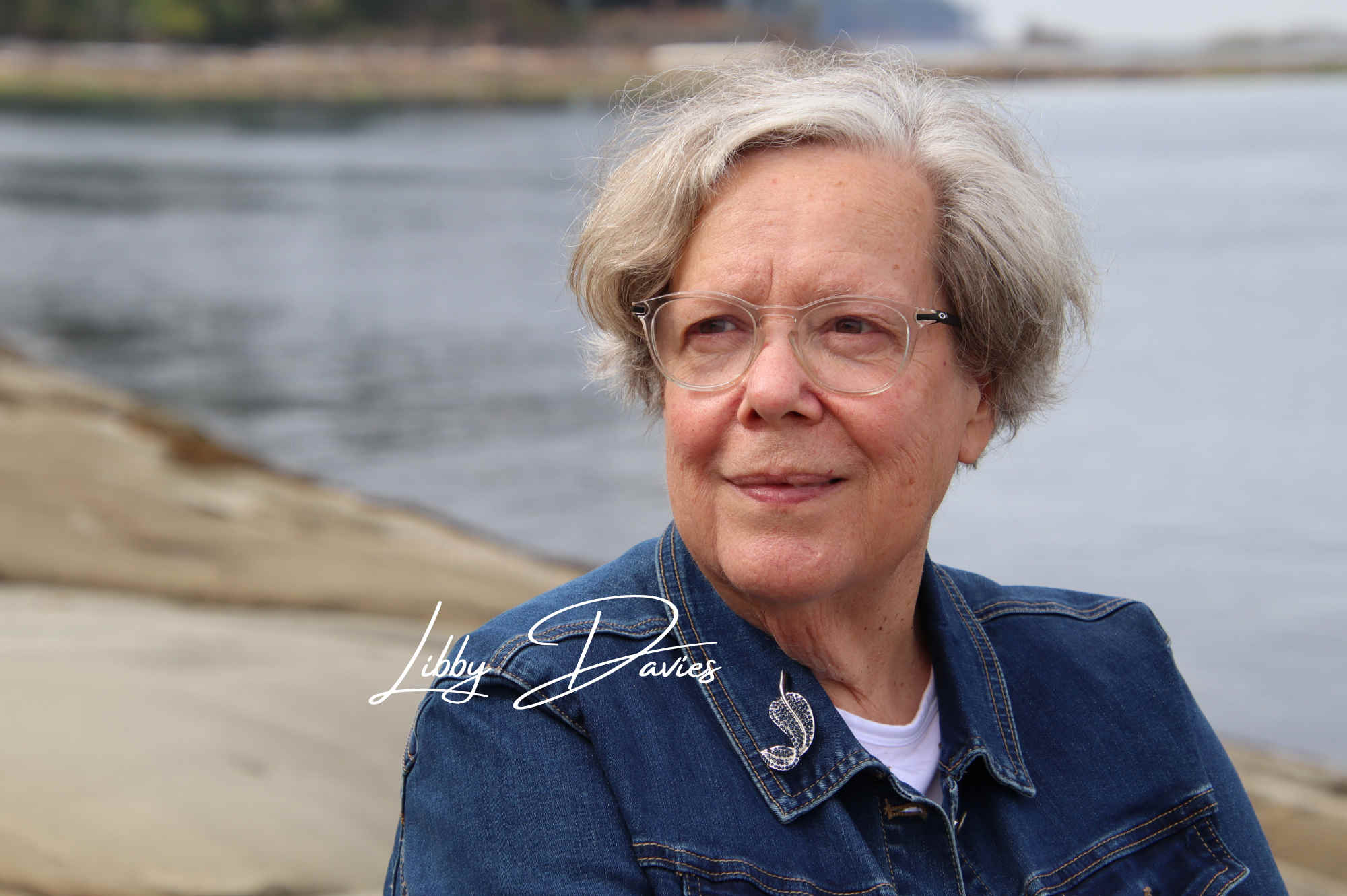
Libby Davies (Vancouver East NDP):
Mr. Speaker, I am pleased to have the opportunity to speak to this motion. It is a very important debate. It is important that members of the House be able to express their strong opinions about this issue. The government’s G8 maternal and child health initiative for the world’s poorest regions must include the full range of family planning, sexual and reproductive health options, including contraception, consistent with previous governments that have stated that position, as well as all other G8 members last year in Italy. I certainly welcome this debate.
First and foremost, we have to insist that any initiative Canada takes forward must be based on scientific evidence as outlined in the motion before us today. That scientific evidence shows us that education and family planning can prevent as many as one in every three maternal deaths. That is a very significant statistic.
We are throwing around numbers and arguments and I hear the Conservatives claiming that this debate has been politicized. Nothing could be further from the truth. It is important that we stick to the facts and the scientific evidence about what needs to be done globally by Canada within the international community to prevent these kinds of deaths from taking place.
Looking at the statistics and facts that are available, it truly is shocking that more than 500 women die each year in pregnancy and nine million children die before the age of five. These deaths are entirely preventable if we set clear goals, objectives and outcomes and dedicate the necessary resources to ensure that very simple measures take place so that maternal and child health is made a primary priority.
For every woman who dies, there are 20 or more who experience serious complications as a result of their pregnancies. In fact, the World Health Organization has documented over and over again that the first step to avoiding maternal deaths is to ensure that women have access to family planning and safe abortions. That is a stated fact by the main UN body that monitors these things and does research. Anyone who disputes that is under some kind of strange illusion about what is going on in the world. It is important that we stick to the scientific evidence.
Family planning could prevent 25% of maternal and child deaths in the developing world by preventing risky births that are too close together, or are too early or too late in a woman’s life. This is a very real issue for women in the developing world. They need to have the education, be aware of prevention and have access to family planning at a grassroots level.
This is not rocket science. These are very basic provisions in supporting and empowering women and ensuring that they can carry safe pregnancies, engage in family planning and have control over it. To me, that is probably the most important thing. It is emphasized by the Stephen Lewis Foundation that when women have control over their own bodies and lives, when they can make their own decisions without a lot of resources, and we are talking about there being minimal resources for them, we will see a dramatic transformation take place. That is what the motion is trying to get at today.
The Conservative government has suddenly found this issue and stated that its goal is to focus on maternal and child health. It is important to point out because credibility on the record is something that counts here. It is fair to say that the Conservatives have very little credibility on issues affecting women in the developing world. Let us not forget that they are the ones who did away with the terms of gender equality, gender-based violence, impugnity and justice when calling for an end to sexual violence in the Democratic Republic of Congo.
We in the NDP certainly welcome this interest that the Conservatives have suddenly developed in the health of mothers and children in the developing world, but it has to be on a comprehensive basis. It cannot be based on some sort of narrow ideological view. It has to be based on the scientific and factual evidence that is available globally, that has been developed by the United Nations, the World Health Organization and many other organizations.
It will undermine Canada’s credibility if we do not advance these proposals in that broad way at the G8, if it becomes so narrowly focused with this conservative view, we become another embarrassment, just as happened in Copenhagen on climate change. I think Canadians feel pretty awful about what happens when we are on the international stage. The G8 is coming to Toronto. We have an opportunity to do something right, to express the will of the House and to do it in a comprehensive evidence-based way. I hope that is what will happen today.
Having said all of that, on the issue of credibility, a very stark question we have to ask is why the government is advancing this on the international stage, and yet here at home we still have appalling conditions for women and children in Canada. We are one of the wealthiest countries in the world.
In my community of East Vancouver, there are women and children who are living far below the poverty line. They are living in slum housing. They are not getting enough food to eat. They do not have enough access to community-level health care provisions. There is no child care, or the waiting list is so long and child care is so expensive that the children cannot get in.
While we deal with the situation internationally, we are compelled to focus on what is happening in Canada also. These issues are not mutually exclusive. They do not cancel out each other. We demand of our government that it address both issues, that it address poverty here in Canada and poverty globally. They are very much interrelated in that it becomes a question of where resources go. If we did have a properly functioning gender analysis, whether it is on the budget that was just approved or whether it is on bills that come forward, there would be a much better analysis and a much better allocation of resources, instead of the incredible ideological and political frame that we have had to go through time and time again with the Conservative government.
I want to say in the strongest terms that I support the millennium development goals. I support Canada’s advancing this initiative as long as it is done in broad terms and it does not exclude family planning and access to safe abortions for women globally. I also feel very strongly that we have to set our sights on what is happening in our own communities. We have to recognize what is taking place in aboriginal communities. We have to recognize there are rural situations but there are also urban situations where people endure simply unliveable conditions which should not exist in this country.
Many organizations have done tremendous work on this issue not just over the last year or so but over the decades. I talked to a woman in the lobby a few minutes ago who told me she had been working on this issue for 30 years and she is very glad that this motion is being debated in the House today. It is very important that we recognize the work that is being done.
The Conservatives have somewhat reversed their position. Initially they were refusing to incorporate family planning into the maternal health initiative, and clearly they were absolutely out of step with the international community. I have to say that to me, it was a good lesson of what politics is about, to see the pressure both within the House and also in the broader community that took place, that forced the Conservatives to change their position.
I applaud groups such as Action Canada for Population and Development, the Canadian Federation for Sexual Health, the Federation of Medical Women of Canada, the Stephen Lewis Foundation and many others for the work they have done on this issue. They have made it clear that we will not tolerate a Conservative position that is so superficial it gives the illusion that it is helping women and children when in reality it is actually undermining the rights, freedoms and liberties of women and children not only in Canada but globally.
I hope the motion today will set us on the right course. Our leader and other members of our caucus have been raising this in question period. We will continue to press this matter until the Conservative government understands that if it wants to advance this proposal, it has to do it on the basis of supporting women’s equality and women’s rights and not denying women access to full services and programs, whether it be family planning or abortion. That is why this motion should pass today.